What are The Health Risks of a Dog Scratch
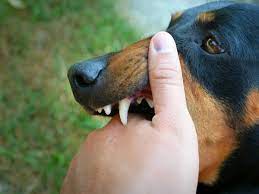
A Dog did not Bite But Their Teeth Mark are Itching
Dogs are often called man’s best friend — and for good reason. They offer companionship, loyalty, and joy. But like any animal with teeth and claws, dogs can occasionally cause injury, even unintentionally. While a simple scratch from a playful pup might seem harmless, it’s important to understand that dog scratches, especially those that break the skin, can carry health risks. Dog Health helps you know how to properly care for a scratch and when to seek medical advice can help you avoid serious complications.
Why Dog Scratches Can Be Risky
Unlike human fingernails, dog claws are not regularly washed or cleaned. They can carry bacteria, dirt, feces, and even harmful pathogens from the environment. A scratch may look mild on the surface, but if it breaks the skin, it creates an entry point for bacteria that can lead to infections or other health issues. Additionally, some dogs may carry bacteria in their saliva or skin, which can be transferred through licking the scratch.
Common Infections from Dog Scratches
One of the most common health risks from a dog scratch is a bacterial infection. Signs of infection include redness, swelling, warmth, pain, and pus around the wound. You might also experience a fever or general fatigue. If untreated, an infection can spread deeper into the skin and even enter the bloodstream, leading to more serious conditions like cellulitis or sepsis.
Another risk is Capnocytophaga canimorsus, a type of bacteria found in the mouths of healthy dogs. While rare, this bacterium can cause severe illness in people with weakened immune systems, including the elderly, diabetics, and those undergoing chemotherapy. In some cases, exposure to Capnocytophaga through a dog bite or scratch can lead to blood infections, meningitis, or even death if not treated promptly.
There’s also tetanus, a bacterial infection caused by Clostridium tetani, which can enter the body through open wounds. Though uncommon, deep scratches or puncture wounds contaminated with soil or feces can put someone at risk for this potentially deadly disease. It’s important to ensure your tetanus vaccinations are up to date.
Other Potential Concerns
While less common, some individuals can have allergic reactions to dog saliva or skin dander, especially if the dog licks the scratch. Reactions can range from localized redness and itching to more severe systemic symptoms. Additionally, there’s a very rare but possible risk of rabies transmission, especially in regions where rabies is still prevalent and if the dog’s vaccination history is uncertain. Although rabies is more commonly spread through bites, deep scratches contaminated with saliva could, in theory, pose a risk.
How to Treat a Dog Scratch at Home
If the scratch is minor and not deep, you can usually treat it at home using basic first aid. Begin by washing your hands thoroughly before touching the wound. Clean the scratch gently with warm water and mild soap to remove any dirt or bacteria. After cleaning, pat the area dry with a clean towel and apply an antibiotic ointment such as Neosporin to prevent infection. Cover the scratch with a sterile bandage, especially if it’s in an area prone to getting dirty or rubbed.
Keep an eye on the scratch over the next few days. Change the bandage daily, and look out for signs of infection. If the scratch doesn’t begin to heal after a few days, or if it starts looking worse, it’s time to consult a healthcare professional.
When to See a Doctor
You should seek medical attention if:
-
The scratch is deep, bleeding heavily, or won’t stop bleeding.
-
Redness, swelling, or pain increases after the first day.
-
You notice pus, warmth around the area, or develop a fever.
-
The scratch was caused by an unknown or stray dog.
-
You haven’t had a tetanus shot in the last 5–10 years.
-
You have a weakened immune system or other underlying health conditions.
A doctor may prescribe antibiotics, give you a tetanus booster, or order additional tests depending on the severity of the injury.
Preventing Dog Scratches
Prevention is always better than treatment. To reduce the chances of being scratched, keep your dog’s nails trimmed regularly. If you’re unsure how, ask your vet or a groomer for help. Avoid rough play, especially with puppies or energetic breeds, and teach children how to interact gently with dogs. If your dog tends to jump on people or scratch during play, consider training or professional behavior support.
Additionally, make sure your dog is healthy and up to date on all vaccinations. A well-cared-for dog is less likely to carry harmful bacteria.
Parting Shots
While most dog scratches are harmless and heal quickly, they should never be ignored — especially if the skin is broken. Infections and other complications, though rare, can develop rapidly if left untreated. By cleaning scratches promptly, watching for warning signs, and knowing when to see a doctor, you can ensure that your interaction with your dog remains safe and enjoyable.
Remember, loving your dog also means taking precautions to protect your health. With a little awareness and care, you can keep both you and your furry friend healthy and happy.