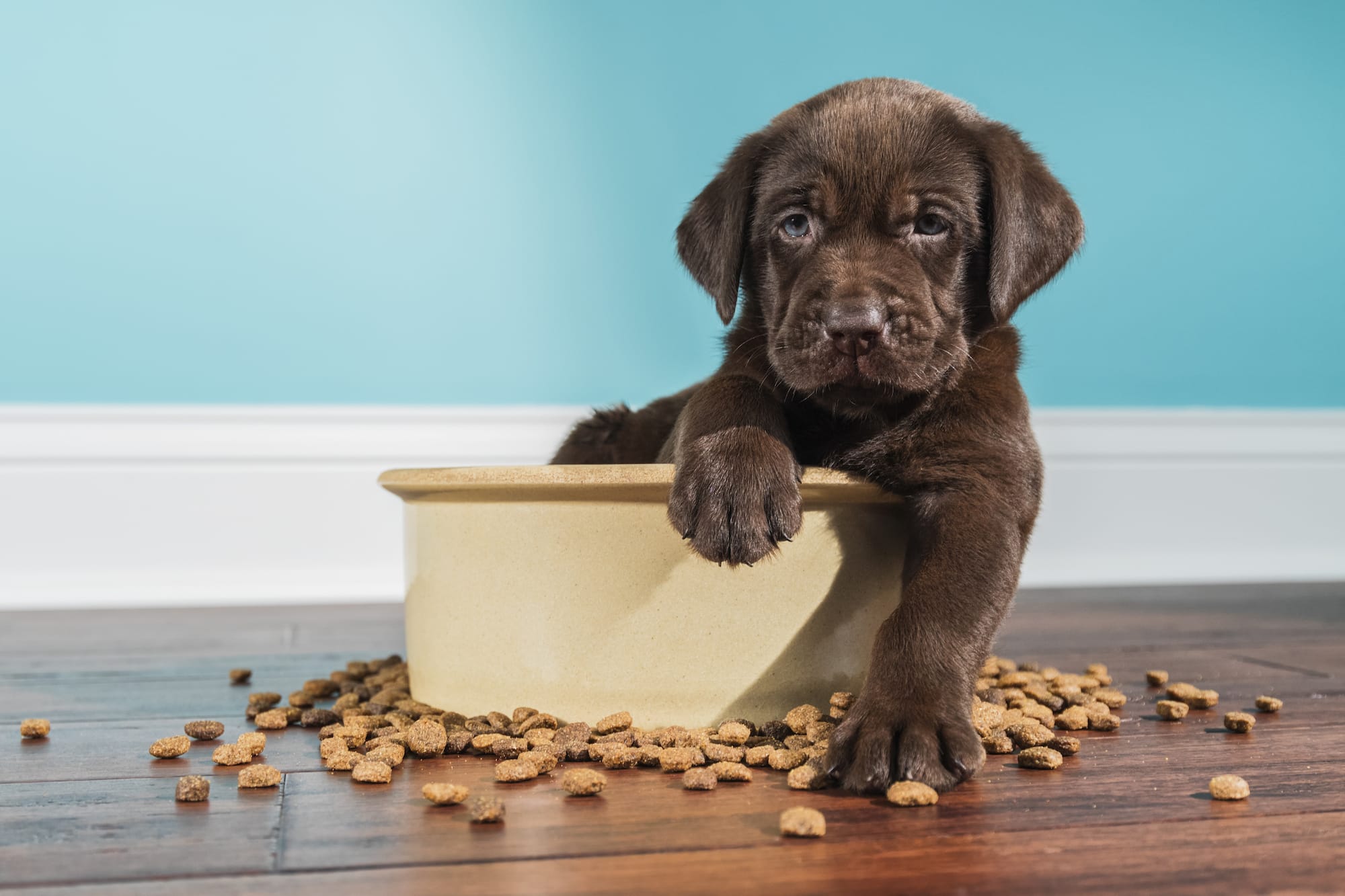
Why Does My Dog Eat So Fast? Causes, Dangers & How to Fix It

If you’ve ever found yourself asking, “Why does my dog eat so fast?”, you’re not alone. Many dog owners notice their furry friends wolfing down their food in seconds — sometimes before you even sit down.
While fast eating might seem harmless or even funny at first, it can lead to serious health issues such as choking, vomiting, and even life-threatening bloat. The good news is that you can help your dog slow down safely.
In this guide, Dog Health, explores why dogs eat so fast, the risks involved, and proven strategies to fix it.
Why Some Dogs Eat Too Fast
Every dog is unique, but there are a few common reasons why your dog might be eating too fast.
1. Instinct and Food Competition
Dogs are pack animals by nature. In the wild, food is a resource that must be claimed quickly before another animal gets it. Even well-fed pets can have this instinct ingrained in them — especially rescued dogs or those who’ve lived in multi-dog environments.
2. Breed Tendencies
Some breeds are notorious for fast eating. Labrador Retrievers, Beagles, and Terriers are known to gulp their food with enthusiasm. For some, it’s just part of their personality and genetics.
3. Past Food Insecurity
If your dog was ever neglected or went hungry before joining your family, fast eating may be their way of ensuring they don’t miss a meal again. This is very common in rescue dogs.
4. Learned Behavior
If your dog gets excited during mealtime and is rewarded after finishing quickly, they may associate fast eating with positive outcomes — reinforcing the habit.
5. Medical Issues
In some cases, fast eating may indicate:
-
Intestinal parasites
-
Poor nutrient absorption
-
Hormonal or metabolic conditions that cause increased hunger
Pro Tip: If your dog’s eating speed has changed suddenly, consult your vet to rule out any health concerns.
Dog Breeds commonly Predisposed to Fast Eating
While any dog can develop this habit, certain breeds are more prone because of their genetic makeup, food motivation, and body structure.
1. Labrador Retrievers
Labradors are famous for their love of food. They have a genetic mutation in the POMC gene, which affects appetite regulation. This means they’re often hungrier than most dogs and naturally more inclined to eat fast and overeat.
Why they eat fast:
-
Strong food motivation
-
Competitive eaters if raised with other pets
-
Tend to inhale food without chewing much
2. Beagles
Beagles have an incredibly strong sense of smell and a long history as hunting dogs. They associate food with reward and will devour meals quickly.
Why they eat fast:
-
Highly food-driven breed
-
Fast metabolism
-
Tendency to overeat if not managed
3. Golden Retrievers
Golden Retrievers are gentle but also very enthusiastic eaters. They don’t always have the same POMC mutation as Labs, but their temperament and size make them prone to gulping food.
Why they eat fast:
-
Big appetites
-
Excitement during mealtime
-
Often fed in multi-pet homes
4. Cocker Spaniels
Cocker Spaniels are known to be greedy eaters and can become protective of their food. This often leads to fast eating as a learned behavior.
Why they eat fast:
-
Food possessiveness in some individuals
-
Reward-based feeding backgrounds
-
High energy and appetite
5. Dachshunds
These small dogs may surprise many owners with their speed at the bowl. Their short stature and love of treats make them quick eaters.
Why they eat fast:
-
High reward drive
-
Small mouth and short snout lead to gulping
-
Often indulged with treats and meals
6. Terriers (Jack Russell, Fox Terrier, etc.)
Terriers are high-energy, curious, and often impatient. Many rush through meals just to get back to playing or exploring.
Why they eat fast:
-
High activity levels
-
Short attention spans during feeding
-
Natural intensity
7. Bulldogs and Boxers
Flat-faced breeds like Bulldogs and Boxers tend to gulp air along with their food because of their brachycephalic structure. This can make fast eating even riskier, increasing their chance of choking or bloat.
Why they eat fast:
-
Shallow breathing and short muzzles
-
Gulping habits
-
Strong appetites
8. Pugs
Pugs love food and often eat quickly, leading to frequent choking or gagging. They also struggle with air intake while eating, which can make fast eating more dangerous.
Why they eat fast:
-
Strong food drive
-
Flat face structure
-
Often overfed, reinforcing the habit
9. German Shepherds
German Shepherds are not your ideal foodie but they are large, active dogs that can eat quickly, especially if they feel competition. Unfortunately, their deep chests also put them at higher risk for bloat (GDV).
Why they eat fast:
-
High energy and appetite
-
Deep chest structure (higher bloat risk)
-
Tendency to inhale food when excited
10. Great Danes
Great Danes are another deep-chested breed that are very prone to bloat, making fast eating particularly dangerous for them.
Why they eat fast:
-
Large portions due to their size
-
Deep-chested anatomy
-
Excitement at mealtime
The Dangers of Fast Eating in Dogs
When dogs eat too fast, they don’t chew their food properly. This can lead to several health problems, some mild and others very serious.
1. Choking and Gagging
Large gulps of food can cause your dog to choke or gag, especially if they eat dry kibble. This can be frightening for both you and your dog.
2. Vomiting and Digestive Issues
Unchewed food hits the stomach all at once, often leading to vomiting, burping, or digestive discomfort shortly after meals.
3. Bloat (Gastric Dilatation-Volvulus)
This is the most dangerous complication of fast eating.
Bloat occurs when the stomach fills with gas and twists, cutting off blood supply. It’s life-threatening and requires immediate veterinary attention.
Symptoms of bloat may include:
-
Swollen or hard belly
-
Restlessness and pacing
-
Retching without vomiting
-
Difficulty breathing
Emergency: If your dog shows these signs, get to a vet immediately.
4. Poor Nutrient Absorption
If food isn’t chewed or digested properly, your dog may not absorb essential nutrients, leading to weight loss or poor coat health over time.
How to Stop Your Dog from Eating Too Fast
If “my dog eats so fast” is a daily concern for you, there are several effective, vet-recommended ways to slow them down.
1. Use a Slow Feeder Bowl
Specially designed slow feeder bowls have ridges or mazes that force your dog to eat around obstacles. This turns mealtime into a puzzle — slowing them down naturally. These bowls can reduce eating speed by up to five times.
2. Try Puzzle Toys
Feeding your dog using puzzle toys or treat-dispensing balls not only slows down eating but also provides mental stimulation.
3. Feed Smaller, More Frequent Meals
Instead of one or two large meals, try splitting the food into three or four smaller meals throughout the day. This reduces hunger-driven speed eating.
4. Hand Feeding or Scatter Feeding
-
Hand feeding allows you to control the pace directly.
-
Scatter feeding involves spreading kibble over a mat or safe area, encouraging your dog to search for it.
5. Separate Dogs at Mealtime
If you have multiple dogs, feeding them separately can remove the sense of competition and help each one eat calmly.
6. Elevate the Bowl With Care
For some dogs, especially large breeds, elevating the bowl can help them eat more comfortably. But talk to your vet first — in some breeds, raised bowls can increase the risk of bloat.
When to See a Vet
Most of the time, fast eating is behavioral, but sometimes it can signal something more serious. Book a vet visit if:
-
Your dog suddenly starts eating faster than usual
-
They vomit after meals frequently
-
They show signs of bloat or choking
-
They seem excessively hungry despite regular meals
Your vet can check for underlying issues like parasites, metabolic conditions, or nutrient absorption problems.
FAQ: Common Questions About Dogs Eating Fast
Why is my dog always hungry?
This can be instinctive or linked to a medical condition. If it’s sudden, talk to your vet.
Is it dangerous if my dog eats fast?
Yes. It can cause choking, vomiting, or even life-threatening bloat.
How can I train my dog to eat slowly?
Slow feeder bowls, puzzle toys, scatter feeding, and calm meal routines work well.
Should I be worried if my puppy eats fast?
Puppies often eat fast due to excitement, but it’s wise to slow them down early to prevent bad habits.
Final Thoughts: Help Your Dog Eat at a Healthy Pace
If you’ve ever thought, “My dog eats so fast — is it normal?”, the answer is yes, but it can be risky if ignored.
Fast eating often stems from instinct, environment, or past experiences. But with simple strategies like slow feeders, puzzle toys, and calmer routines, you can protect your dog’s health and make mealtime safer and more enjoyable.
Always consult your vet if your dog’s eating speed changes suddenly or if you notice signs of bloat or distress.