


Dental Disease in Dogs
Dental Disease in Dogs – Causes, Symptoms, Prevention, and Treatment
Dental health is one of the most overlooked aspects of dog care, yet it plays a critical role in a pet’s overall wellbeing. Studies estimate that over 80% of dogs show signs of dental disease by the age of three, making it one of the most common health issues in canines. Dental disease in dogs not only affects your dog’s mouth but can also lead to serious complications in vital organs such as the heart, liver, and kidneys. Understanding the causes, signs, and preventive measures can help dog owners ensure their furry companions live longer, healthier lives.
What Is Dental Disease in Dogs?
Dental disease in dogs, also called periodontal disease, is a progressive condition that starts with plaque and tartar buildup on the teeth. Over time, this leads to gum inflammation, infection, and eventually damage to the tissues that support the teeth.
The stages include:
-
Gingivitis – Early stage characterized by red, swollen gums.
-
Mild Periodontitis – Plaque and bacteria begin damaging the gums and tooth roots.
-
Moderate Periodontitis – Infection spreads, causing gum recession and bone loss.
-
Severe Periodontitis – Teeth loosen, fall out, and bacteria can enter the bloodstream.
Symptoms of Dental Disease in Dogs
Recognizing dental disease early is key to preventing complications. Common signs include:
-
Bad breath (halitosis)
-
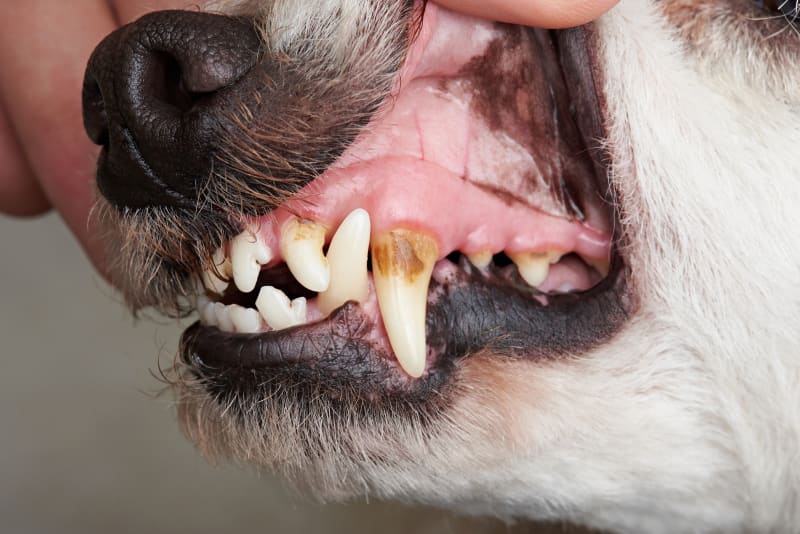
Yellow or brown buildup on teeth
-
Red, swollen, or bleeding gums
-
Excessive drooling
-
Difficulty eating or chewing
-
Pawing at the mouth
-
Loose or missing teeth
-
Weight loss and behavioral changes
Causes of Dental Disease in Dogs
As earlier stated, dental disease, particularly periodontal disease, is one of the most common health problems in dogs. It begins subtly but can progress to serious infections affecting not only the mouth but also major organs. Dog Health helps you Understand the causes of dental disease in dogs which we believe will help you in prevention and proper care.
1. Plaque and Tartar Buildup
The leading cause of dental disease is plaque—a sticky film of bacteria that forms on the teeth after meals. If not brushed away, plaque hardens into tartar (calculus), which irritates the gums and creates a breeding ground for more harmful bacteria. Over time, this leads to gingivitis and, if untreated, full-blown periodontal disease.
2. Poor Oral Hygiene
Dogs that do not receive regular tooth brushing or professional cleanings are highly prone to dental disease. Unlike wild canines that naturally clean their teeth by chewing raw bones or tough foods, domestic dogs often eat soft kibble or canned food that does not naturally scrape off plaque.
3. Diet and Feeding Habits
Diet plays a huge role in dental health. Dogs fed mainly soft or sticky foods are more likely to develop dental issues because these foods adhere to teeth and promote bacterial growth. Conversely, crunchy kibble, dental chews, or raw meaty bones can help reduce plaque buildup by mechanically scraping teeth during chewing. Its important to remember that feeding your dog on raw meat is not the best of ideas and should be done with caution and moderation.
4. Genetics and Breed Predisposition
Some breeds are genetically more prone to dental disease. Small dog breeds (such as Dachshunds, Yorkshire Terriers, and Chihuahuas) often suffer from overcrowded teeth, which trap food particles and bacteria. Brachycephalic breeds (like Pugs and Bulldogs) also have dental crowding due to their shortened jaws, making them highly susceptible to dental problems.
5. Age
Older dogs are naturally more likely to develop dental disease because plaque and tartar accumulate over time. As dogs age, their immune response also weakens, making it harder to fight off oral infections.
6. Chewing Habits and Toys
Dogs that rarely chew on toys, bones, or dental treats may experience faster plaque buildup. On the other hand, chewing on inappropriate objects like stones or hard bones can fracture teeth, creating entry points for infection and worsening dental disease.
7. Underlying Health Conditions
Certain medical conditions can worsen or accelerate dental disease. For example, diabetes weakens immunity, making it easier for oral bacteria to thrive. Kidney disease and immune disorders can also make dogs more vulnerable to gum infections.
8. Lack of Veterinary Care
Regular dental checkups are crucial, but many dog owners overlook them. Skipping professional cleanings and dental exams allows plaque, tartar, and infections to go unnoticed until they reach advanced stages.
Why Dental Disease Is Dangerous
Untreated dental disease goes beyond bad breath and missing teeth. Harmful bacteria from the mouth can spread to vital organs, leading to:
-
Heart disease (endocarditis)
-
Liver infections
-
Kidney failure
-
Chronic pain and reduced quality of life
In severe cases, advanced dental disease can shorten a dog’s lifespan.
Treatment of Dental Disease in Dogs
If dental disease develops, treatment depends on severity:
-
Professional Cleaning – Scaling and polishing under anesthesia to remove tartar.
-
Tooth Extraction – Severely damaged or loose teeth may need removal.
-
Antibiotics – Used when infections are present.
-
Pain Management – Medications for comfort and healing.
Early intervention improves prognosis and reduces the need for invasive procedures.
Dental Disease in Puppies vs. Senior Dogs
-
Puppies: Rarely develop periodontal disease, but they can suffer from retained baby teeth or teething discomfort.
-
Senior Dogs: More prone to advanced dental issues due to years of plaque buildup and weaker immune defenses.
This makes dental care essential throughout a dog’s entire life.
Why Oral Health Is Often Overlooked in Pets
Despite being one of the most common health issues in dogs and cats, oral health is frequently neglected by pet owners. Unlike vaccinations, grooming, or feeding, dental care is not always seen as a priority—even though poor oral hygiene can lead to pain, tooth loss, and even systemic diseases. Several reasons explain why pet dental care is often overlooked:
1. Lack of Awareness
Many pet owners are simply unaware of how common dental disease is in animals. Studies show that more than 70% of dogs and 60% of cats develop some form of dental disease by the age of three. Because signs are subtle at first, owners may not realize their pets are suffering from a preventable condition.
2. Pets Hide Pain Well
Dogs and cats instinctively hide signs of pain or discomfort—a survival trait inherited from their wild ancestors. A pet with severe dental disease may continue eating normally, making owners assume everything is fine. By the time visible symptoms appear, the disease is usually in advanced stages.
3. Misconception That Bad Breath Is Normal
One of the earliest warning signs of dental disease is bad breath. However, many owners dismiss it as a normal part of pet ownership. In reality, persistent bad breath is almost always a sign of bacterial buildup and gum disease.
4. Cost and Perceived Value
Professional dental cleaning for pets can be costly because it requires anesthesia, X-rays, and specialized equipment. Some owners may view it as unnecessary, especially if their pet doesn’t show obvious discomfort, leading them to postpone or skip dental care.
5. Difficulty of At-Home Care
Brushing a pet’s teeth is not always easy. Dogs may resist, and cats are notoriously uncooperative. Without proper training or patience, many owners give up, leaving oral hygiene entirely to annual vet visits.
6. Focus on Visible Health Issues
Owners tend to prioritize health issues they can see, such as skin problems, ear infections, or weight changes. Since dental disease often develops quietly inside the mouth, it doesn’t get the same attention until it becomes severe.
7. Limited Veterinary Emphasis
Although veterinary professionals do educate clients, dental health sometimes receives less emphasis compared to vaccinations, deworming, or diet. This may unintentionally reinforce the idea that oral care is secondary.
Health Complications from Untreated Dental Disease in Dogs
I hope by now we have emphasized enough that Dental disease in dogs, if left untreated, is far more than just a “bad breath” problem. It can progress from mild gum inflammation to widespread infection that affects multiple organs. Because the mouth is directly connected to the bloodstream, harmful bacteria from untreated dental disease can spread throughout the body, causing life-threatening complications.
1. Chronic Pain and Discomfort
Dogs with advanced dental disease often experience severe pain from inflamed gums, loose teeth, and exposed tooth roots. Unlike humans, they rarely show obvious signs of pain, which means owners may not realize their pet is suffering. Chronic oral pain can affect eating, playing, and overall quality of life.
2. Tooth Loss and Bone Damage
As gum disease progresses, bacteria destroy the tissues and bone that hold the teeth in place. This leads to loose teeth, abscesses, and eventual tooth loss. Severe cases can cause jawbone weakening or fractures, particularly in small breeds.
3. Gum Infections and Abscesses
Untreated plaque and tartar allow bacteria to thrive beneath the gum line, leading to pus-filled pockets (abscesses). These infections can rupture, spreading bacteria deeper into the tissues and bloodstream.
4. Systemic Infections (Bacteremia)
The bacteria from dental disease can enter the bloodstream (a condition called bacteremia). Once in circulation, they can lodge in major organs and cause serious secondary health issues.
-
Heart Disease (Endocarditis): Bacteria can infect the heart valves, leading to inflammation and heart failure.
-
Kidney Damage: Chronic exposure to bacteria and toxins strains the kidneys, contributing to kidney disease.
-
Liver Infections: The liver, responsible for filtering toxins, may become inflamed and infected by circulating oral bacteria.
5. Digestive Problems
Dogs with painful teeth may chew poorly, swallowing larger food chunks. This can lead to digestive issues such as stomach upset, vomiting, and reduced nutrient absorption over time.
6. Behavioral Changes
Chronic oral pain can make dogs irritable, lethargic, or withdrawn. Some may become aggressive when their face is touched, while others may lose interest in play and activity. These behavior changes are often misinterpreted as aging rather than signs of dental suffering.
7. Weight Loss and Malnutrition
As chewing becomes painful, dogs may eat less or avoid hard foods altogether. This can lead to gradual weight loss and nutritional deficiencies, especially in senior dogs.
Myths and Misconceptions About Dog Dental Health
Dog dental health is one of the most neglected aspects of pet care, partly because of widespread myths and misconceptions. Many dog owners unintentionally put their pets at risk by believing these common misunderstandings. Clarifying these myths is key to preventing serious dental problems and ensuring dogs live healthier, longer lives.
Myth 1: Dogs Naturally Keep Their Teeth Clean by Chewing
Reality: While chewing on bones, toys, or kibble can help reduce some plaque, it is not enough to prevent dental disease. Plaque hardens into tartar within 24–48 hours, and only brushing or professional cleaning can remove it.
Myth 2: Bad Breath Is Normal in Dogs
Reality: Persistent bad breath is not “normal dog breath.” It’s usually a sign of bacteria buildup, gum disease, or tooth infection. Ignoring bad breath delays early treatment, allowing dental disease to progress.
Myth 3: Dogs Don’t Feel Dental Pain the Same Way Humans Do
Reality: Dogs experience dental pain just like humans, but they instinctively hide it. A dog may still eat or play despite severe toothaches, making owners think nothing is wrong. By the time symptoms are visible, pain is often advanced and chronic.
Myth 4: Dry Kibble Alone Prevents Dental Disease
Reality: While kibble may provide a mild cleaning effect compared to soft foods, it does not prevent plaque and tartar buildup. Specialized dental diets or chews can help, but brushing and professional care are still essential.
Myth 5: Small Dogs Don’t Need Dental Care as Much as Large Dogs
Reality: In fact, the opposite is true. Small breeds (like Chihuahuas, Dachshunds, and Yorkies) are more prone to dental disease because of overcrowded teeth and smaller jaws. They often need more frequent dental attention.
Myth 6: Giving Dogs Bones Is the Best Way to Clean Their Teeth
Reality: While raw meaty bones can help scrape teeth, hard bones (like cooked or weight-bearing bones) can fracture teeth, leading to infections and costly dental surgery. Safe dental chews or toys are better alternatives.
Myth 7: Professional Dental Cleanings Are Optional
Reality: Professional cleanings under anesthesia are the only way to remove tartar below the gumline, where most dental disease begins. Skipping cleanings allows gum infections to progress unnoticed.
Myth 8: Puppies Don’t Need Dental Care
Reality: Puppies may not develop serious dental disease right away, but good oral care habits should start young. Brushing from an early age makes dogs more cooperative and helps prevent problems later in life.
Dog Breeds That Are Less Susceptible to Dental Disease
Dental disease affects most dogs at some point in their lives, but some breeds are naturally less prone than others. Factors like skull shape, jaw size, tooth alignment, and chewing habits play an important role in how susceptible a dog is to dental problems. While no dog is completely immune, the following breeds generally face fewer dental issues compared to small or brachycephalic breeds.
1. Labrador Retriever
Labs have large, well-spaced teeth and strong jaws that reduce overcrowding. Their natural tendency to chew toys and bones also helps scrape plaque from teeth, keeping their mouths healthier for longer.
2. German Shepherd
German Shepherds usually have good tooth alignment, and their medium-to-large jaw size prevents the food-trapping issues seen in smaller breeds. Their strong chewing instincts help maintain cleaner teeth.
3. Golden Retriever
Golden Retrievers share similar dental advantages with Labradors. They have fewer alignment problems and benefit from their playful chewing behavior, which contributes to better oral hygiene.
4. Beagle
Unlike toy breeds, Beagles have proportionate jaws with enough space for their teeth to develop normally. They’re less likely to suffer from overcrowding, which reduces plaque buildup.
5. Siberian Husky
Huskies typically enjoy robust oral health due to their larger jaws and well-aligned teeth. Their active lifestyle and chewing habits further contribute to good dental condition.
6. Dalmatian
With strong teeth and less crowding, Dalmatians are less prone to severe dental disease. However, they still require routine care to avoid tartar buildup and gum problems.
7. Boxer (with caution)
Although brachycephalic breeds generally have dental challenges, Boxers are an exception to some extent. Their mouths are slightly less crowded compared to Bulldogs or Pugs, making them moderately less susceptible.
Final Thoughts
Dental disease in dogs should never be ignored. As a responsible pet owner, incorporating dental care into your dog’s routine is just as important as vaccinations, nutrition, and exercise. By prioritizing oral hygiene, you’re not only preventing bad breath and tooth loss but also protecting your dog’s long-term health and happiness.


